

ChatGPT Refuses to Mimic Famous Authors as OpenAI Tightens Copyright Policies
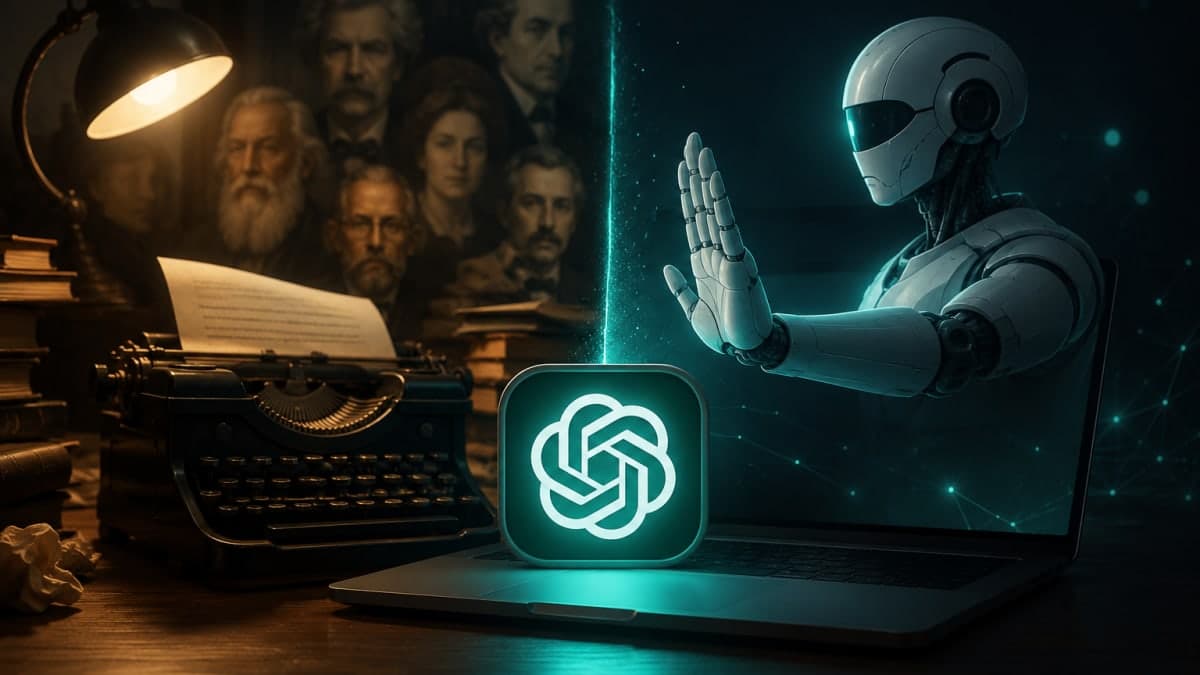
ChatGPT has begun refusing requests to write in the style of well-known authors, reflecting a policy shift by OpenAI aimed at reducing copyright risks while still allowing original works inspired by broad literary characteristics.
ChatGPT has started declining user requests to generate text that closely imitates the writing styles of well-known authors, whether they are living or deceased, in what appears to be a new OpenAI policy designed to address copyright concerns.
The change was first noticed by users on social media, who reported that the AI chatbot no longer fulfilled prompts asking it to write in the distinctive style of specific writers. Independent testing by Ars Technica confirmed the behavior.
Tests Suggest a Shift in OpenAI's Approach
According to a report by Engadget, ChatGPT consistently refused requests to mimic the styles of several prominent authors during testing. The findings mark a departure from earlier behavior documented by research platform No Latency, which previously found that the chatbot was willing to emulate the writing styles of deceased authors.
The latest behavior suggests OpenAI has tightened its safeguards around generating content that closely resembles copyrighted creative works.
Agatha Christie Example Highlights the New Policy
As part of its testing, Engadget asked ChatGPT to write a mystery story about a woman investigating her husband's sudden disappearance in the style of renowned British crime novelist Agatha Christie.
The chatbot declined the request, explaining that Christie's works remain protected by copyright and that it could not directly reproduce her distinctive literary style.
Original Writing Still Allowed
Although ChatGPT refused to imitate the author's signature voice, it offered an alternative by proposing to write an original mystery story inspired by broader characteristics associated with Christie's work, such as suspense, intricate plotting, and atmospheric storytelling, without copying her unique style.
The report suggests the policy reflects OpenAI's broader effort to reduce legal risks related to copyright as the company continues to face lawsuits over the use of copyrighted materials in AI training. Rather than allowing direct stylistic imitation, the chatbot now encourages original creative works that capture general literary qualities without reproducing an author's recognizable voice.